Higher vs. lower deductible
A deductible changes two things: what you pay each month and what you may have to pay yourself after a covered claim. The better choice depends on your budget, your car, and how much risk you can handle.
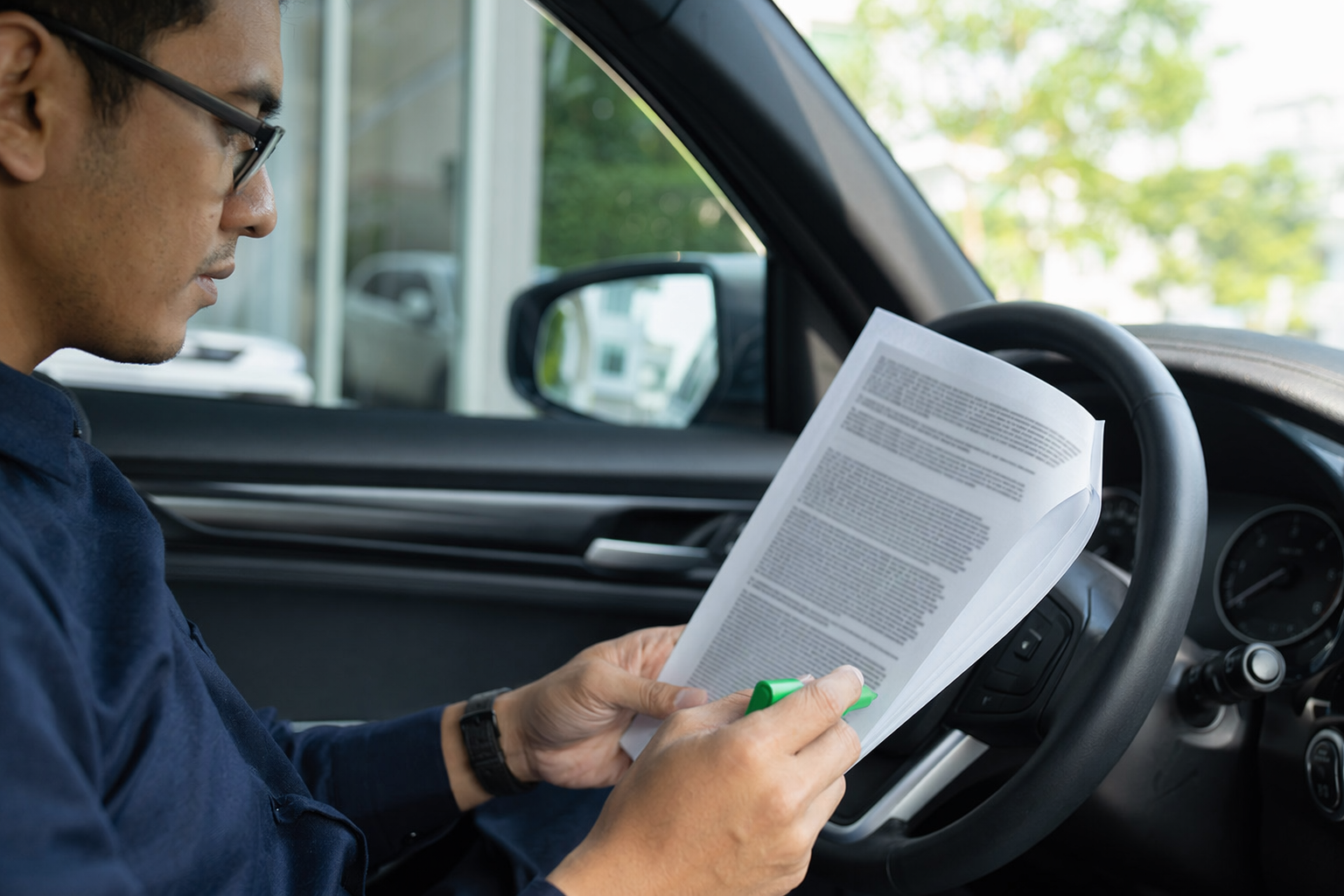
What a deductible means
A deductible is the amount you pay out of pocket before your insurance helps pay a covered claim. In car insurance, deductibles usually apply to collision and comprehensive coverage, not to liability coverage.
In simple terms, a higher deductible often means a lower premium. A lower deductible often means a higher premium. That tradeoff is the whole decision: pay more now each month, or take on more risk later if something happens.
This is not about one option being "better" for everyone. It is about what fits your money situation, your driving habits, your vehicle, and your comfort level.
Higher deductible: lower monthly cost, higher claim cost
Choosing a higher deductible usually lowers your premium. That can help if you are trying to keep monthly costs manageable, especially if rates are already high because of your age, driving record, location, or other rating factors.
The downside is that if you have a covered claim, you may need to pay more yourself before coverage kicks in. If that amount would be hard to come up with on short notice, a higher deductible can create stress at the worst time.
A higher deductible may fit drivers who have money set aside for emergencies, do not expect to file small claims, or have an older car where they are carefully weighing the value of optional physical damage coverage.

Lower deductible: higher monthly cost, lower claim cost
Choosing a lower deductible usually raises your premium. You pay more over time, but you may have less to pay out of pocket after a covered claim.
That can be helpful if a sudden repair bill would be hard for you to handle. It can also feel more predictable for people who prefer paying a bit more each month instead of facing a larger surprise expense later.
A lower deductible may fit drivers with tight emergency savings, newer vehicles, financed or leased cars, or drivers who want less financial shock if they need to use their collision or comprehensive coverage.
Side-by-side: who each option may fit
Both choices can make sense. The key is to look at the tradeoff honestly instead of focusing only on the cheapest premium.
A lower premium is not always the best value if the deductible would be too hard to pay after an accident, theft, hail claim, or other covered loss. On the other hand, paying extra every month for a low deductible may not make sense for every driver or every vehicle.
Questions to ask before you choose
Start with one practical question: if your car were damaged tomorrow, could you comfortably pay the deductible without using rent money, food money, or credit you cannot manage? If the answer is no, a very high deductible may not be a good fit even if it lowers the premium.
Next, think about your vehicle and your situation. How much is the car worth? Do you drive every day? Is the car financed or leased? Would being without it create problems getting to work or school? These details matter.
It also helps to compare the premium difference between deductible options, not just the deductible amount itself. A licensed insurance agent or broker can walk you through how different deductibles may affect the overall quote. If you want help finding someone to talk to, CoverPair can match you with a licensed insurance agent or broker.
When you compare options, look at the whole policy too. Deductibles are only one part of coverage. Limits, exclusions, optional coverages, and state rules matter as well. You can read more about car insurance coverage and how to compare car insurance quotes.
A balanced way to decide
A fair way to choose is to balance monthly affordability with worst-case affordability. Ask yourself which is easier for your household budget: paying more every month, or paying more only if you have a covered claim.
Try not to choose based on price alone. The cheapest setup can backfire if it leaves you with an out-of-pocket amount you cannot handle. At the same time, the lowest deductible is not automatically the smartest choice if the added premium strains your budget month after month.
Because prices, coverage rules, and deductible options vary by state and insurer, there is no universal answer. CoverPair is a free matching service. We provide general educational information and help you find a licensed insurance agent or broker who can explain your options. To get matched, only share basic contact and situation details. Do not share your Social Security number, driver's license number, or policy number on this site.
Higher deductibles usually lower your premium but raise your risk after a claim, while lower deductibles do the opposite.