Liability car insurance, explained
Liability car insurance helps pay for other people’s injuries or property damage if you cause a crash. It’s required in almost every state, but the minimum limit may not be enough for a serious accident.
What liability car insurance is
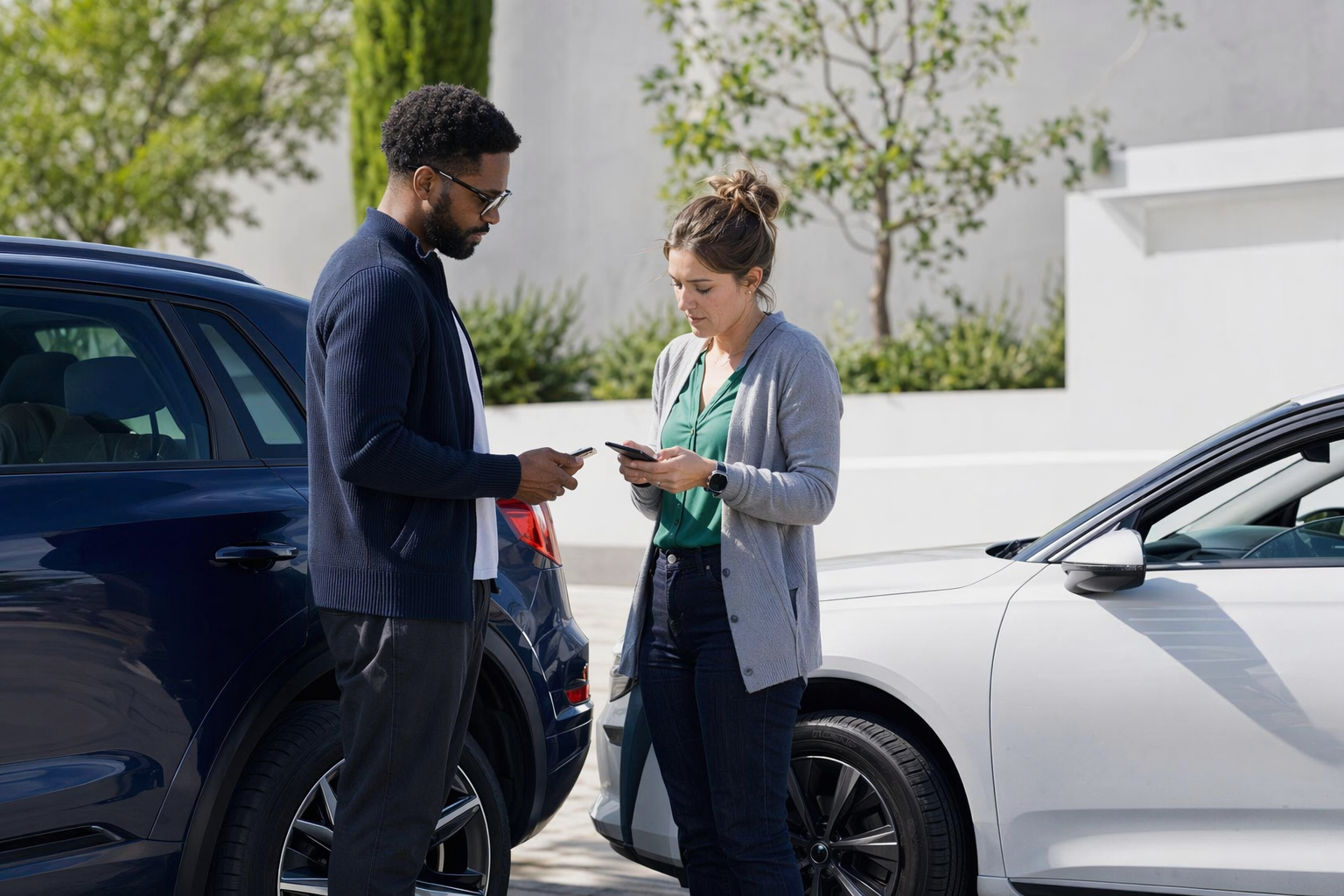
Liability car insurance is the part of an auto policy that helps pay when you are legally responsible for an accident. In simple terms, it is mainly there to protect other people from harm you cause while driving.
It usually has two main parts: bodily injury liability and property damage liability. Bodily injury liability can help with the other person’s medical bills, lost wages, and some legal costs if you injure someone in a crash. Property damage liability can help pay to repair or replace the other person’s car, fence, building, mailbox, or other property you damage.
Almost every state requires drivers to carry at least some liability coverage. But state rules, coverage names, and required limits can vary. If you want help understanding what drivers commonly compare, CoverPair can match you with a licensed insurance agent or broker for general options based on your situation.
What it covers — and what it does not cover
Liability coverage is for damage or injuries you cause to others when you are at fault. That is the key idea. If you rear-end another car, hit a parked vehicle, or damage someone’s property, this is the coverage that may apply up to your policy limits.
What it usually does not cover is just as important. Liability coverage generally does not pay to repair your own car after a crash you cause. It also usually does not pay your own medical bills. For your own vehicle, drivers often look at collision and comprehensive coverage. For injuries to you or your passengers, other coverages may matter depending on your state and policy.
This is one reason the cheapest policy is not always the right one. A low-cost policy with very low limits may meet a legal minimum but still leave you exposed after a larger claim. You can learn more about common policy terms in our coverage hub and how to read a car insurance policy.

Who needs liability coverage
If you drive a car in the US, you will usually need liability coverage to register or legally drive that vehicle. This applies to many kinds of drivers, including first-time buyers, young drivers, people with a foreign license, drivers returning to insurance after a gap, and people who need SR-22 filings in some states.
Even if your car is older or not worth much, liability coverage still matters because the biggest cost after a serious crash may be injuries to other people, not damage to your own vehicle. Medical bills and legal claims can add up quickly.
If you are new to US insurance, it helps to know that being legally required to carry liability does not mean every policy is the same. Limits, optional coverages, payment plans, and eligibility can differ by insurer and by state. CoverPair is a free matching service, so we can help you find and connect with a licensed insurance agent or broker who can explain options in plain language.
How liability limits work
Liability coverage comes with limits. These limits are the maximum amount the policy may pay for covered claims. You may see them shown as three numbers, such as bodily injury per person, bodily injury per accident, and property damage per accident.
For example, a state may require a low minimum limit just to drive legally. But if you cause a crash with multiple injuries or major vehicle damage, those minimum limits can be used up fast. Any amount above your policy limit could become your responsibility, depending on the claim and the laws in your state.
That is why many drivers compare more than the state minimum. The minimum may help you comply with the law, but it may not fully protect your savings, paycheck, or future income after a serious accident. A licensed insurance agent or broker can explain how different limits work in your state, but it is smart to start with a basic understanding before you talk to one.
How to compare liability coverage before you talk to a licensed agent
Before you speak with a licensed insurance agent or broker, it helps to compare a few basics. Look at the liability limits, any deductibles on other coverages, what exclusions apply, whether roadside or rental benefits are included, and how claims are handled. Price matters, but so does the level of protection.
You should also think about your real-world risk. Do you drive every day? Do you carry passengers often? Do you have savings or income you want to protect? Do you drive in heavy traffic or park on crowded streets? Answers like these can help you understand why two policies with similar prices may still be very different.
Your premium can also be affected by many things besides the coverage itself, including location, driving history, vehicle type, age, insurance history, and state rules. Our guide on what affects your car insurance premium can help you prepare better questions.
When you are ready, CoverPair can help you get matched with a licensed insurance agent or broker. The service is free for drivers. To get matched, only share basic contact and situation details. Do not share your Social Security number, driver’s license number, or policy number on this site.
A few honest things to keep in mind
Liability insurance is essential, but it is not a complete policy by itself for many drivers. If you want protection for your own car, your own injuries, or risks like theft, weather, or vandalism, you may need to ask about other coverages too.
It is also important to be careful with online promises. No one can honestly guarantee your rate, your approval, or a specific discount before a licensed insurance professional reviews the details. Comparing quotes and asking clear questions is one of the best ways to avoid overpaying, but there are no guaranteed savings.
If English is not your first language, or you are new to US car insurance, take your time. Ask for plain explanations of the coverage, limits, and exclusions. A good conversation should help you understand what you are buying, not rush you into the lowest number.
Liability car insurance pays for damage and injuries you cause to other people, but the legal minimum may not be enough for a major accident.