Full coverage car insurance, explained
“Full coverage” isn’t one specific policy. It’s a common way people describe a combination of coverages—usually collision + comprehensive (plus liability). Learn what it means and how to compare before you speak with a licensed agent.
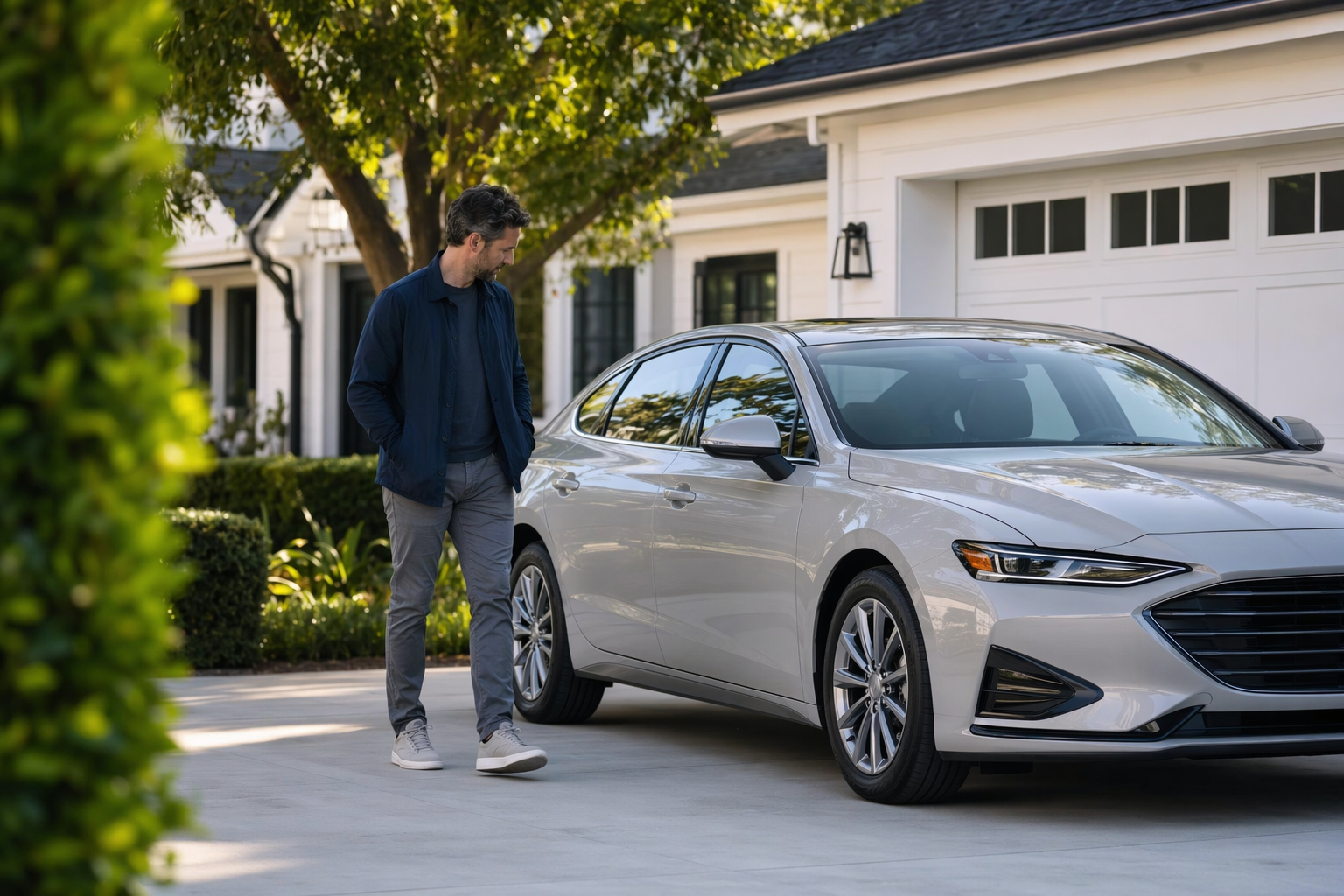
What “full coverage” means (and why it’s not one set policy)
“Full coverage” is a nickname, not a legal insurance category. Insurers use it differently, and it can mean different coverage mixes depending on the state and the company.
Most of the time, when drivers say “full coverage,” they mean:
- Liability coverage (required in most states)
- Collision coverage (damage to your car from certain events, like crashes)
- Comprehensive coverage (damage to your car from non-crash events, like theft, vandalism, weather, or hitting an animal)
Some policies also include other options (like rental reimbursement or roadside assistance). Because wording varies, the safest approach is to treat “full coverage” as a starting point and then look at the actual coverages on the policy documents.
If you’re trying to confirm what you have or what you need, we can help you get matched with a licensed insurance agent or broker who can explain the options in your state.
What collision and comprehensive typically cover
Collision and comprehensive are the two coverages that usually make up “full coverage.” Together, they can help protect the value of your vehicle—especially if you can’t easily replace your car out of pocket.
Collision coverage generally helps pay for repairs (or replacement) if your vehicle is damaged in covered events, such as:
- Vehicle-to-vehicle or single-car crashes
- Damage from potholes or objects in certain situations (rules vary)
Comprehensive coverage generally helps pay for covered events that aren’t “collision,” such as:
- Theft
- Vandalism or fire
- Weather-related damage (like hail or flooding)
- Hitting an animal (like a deer)
A key detail in both collision and comprehensive is the deductible—the amount you pay before the insurance pays. When comparing “full coverage” offers, make sure you’re comparing the same deductible amounts and the same covered drivers/vehicles.

What “full coverage” does NOT do
It’s easy to assume “full coverage” means every risk is covered. In reality, car insurance has limits, exclusions, and specific coverage rules.
Common things “full coverage” may not fully cover include:
- Your deductible (you typically pay that yourself when you file a claim)
- Damage outside the covered events or outside the policy terms
- Claims caused by gaps in coverage (like driving an uncovered vehicle or using excluded drivers)
- Loss of value or certain types of mechanical wear (policies differ)
Also, liability coverage has limits. If you cause an accident, the liability part is what helps pay others’ injuries and property damage up to the policy limits. If your limits are too low, you could be personally responsible for costs above the limits.
Before you buy, it helps to learn how to read a policy so you know what’s actually included. See our guide on how to read a car insurance policy.
When you might need “full coverage” (car loan, lease, and beyond)
Even if you don’t want to carry extra coverage, many lenders and leasing companies require “full coverage” to protect their financial interest in the vehicle.
You may be required to keep collision and comprehensive if you have:
- An auto loan
- A lease
In many cases, the contract requires at least:
- Collision and comprehensive
- A certain minimum deductible amount (the lender may specify it)
- Proof of insurance on the vehicle
After the car is paid off, whether you keep collision and comprehensive can depend on your situation—like your budget, how much it would cost to replace the car, and your risk tolerance.
If you’re trying to decide what affects your price and options, start with what affects your car insurance premium. Then compare actual coverage details, not just the label “full coverage.”
Who “full coverage” is often for (and who should think twice)
“Full coverage” is often a good fit for drivers who can’t afford to replace their car after a loss, or who want broader protection for damage to their own vehicle.
It may be especially common for drivers like:
- New drivers and younger drivers (because repair costs and risk can be higher)
- Drivers who finance or lease their car
- Drivers who want protection against theft, weather, vandalism, or animal-related claims
But it’s not automatically the best choice for everyone. Some drivers consider dropping collision and comprehensive if the car’s value is low compared to what those coverages cost. The “right” choice depends on your car’s value, deductibles, and your ability to cover losses yourself.
If you’re not sure what level is appropriate, don’t guess based on a nickname. Compare policy terms and talk through your options with a licensed professional. We can help you find coverage that matches your needs—without sharing sensitive information like your SSN, driver’s license number, or any policy numbers.
How to compare “full coverage” before you talk to an agent
When people compare quotes, they often compare the total price and miss the differences in coverage details. That can lead to surprise gaps later.
A practical checklist before you speak with a licensed agent or broker:
- Confirm you’re comparing the same coverages (liability, collision, comprehensive)
- Compare deductibles for collision and comprehensive
- Check liability limits (both bodily injury and property damage, where applicable)
- Make sure the vehicle and usage match (miles, garaging location, drivers)
- Look for included options (like rental reimbursement, roadside assistance, and gap coverage if applicable)
Because requirements and pricing vary by state and insurer, it’s smart to compare apples-to-apples. If you want, we can help you get matched with a licensed agent or broker who can explain how “full coverage” is set up in your state.
Finally, remember: the cheapest option isn’t always the best protection. Minimum liability coverage can leave you exposed if you cause an accident with costs above your limits.
“Full coverage” usually means liability plus collision and comprehensive, but it isn’t one fixed policy—so compare the actual coverages and limits before choosing what fits your car and your state.