Comprehensive vs. collision — what's the difference?
Comprehensive and collision are both optional coverages that help with damage to your car, but they pay for very different kinds of losses. Knowing the difference can help you compare policies more clearly and avoid buying coverage you do not really want.
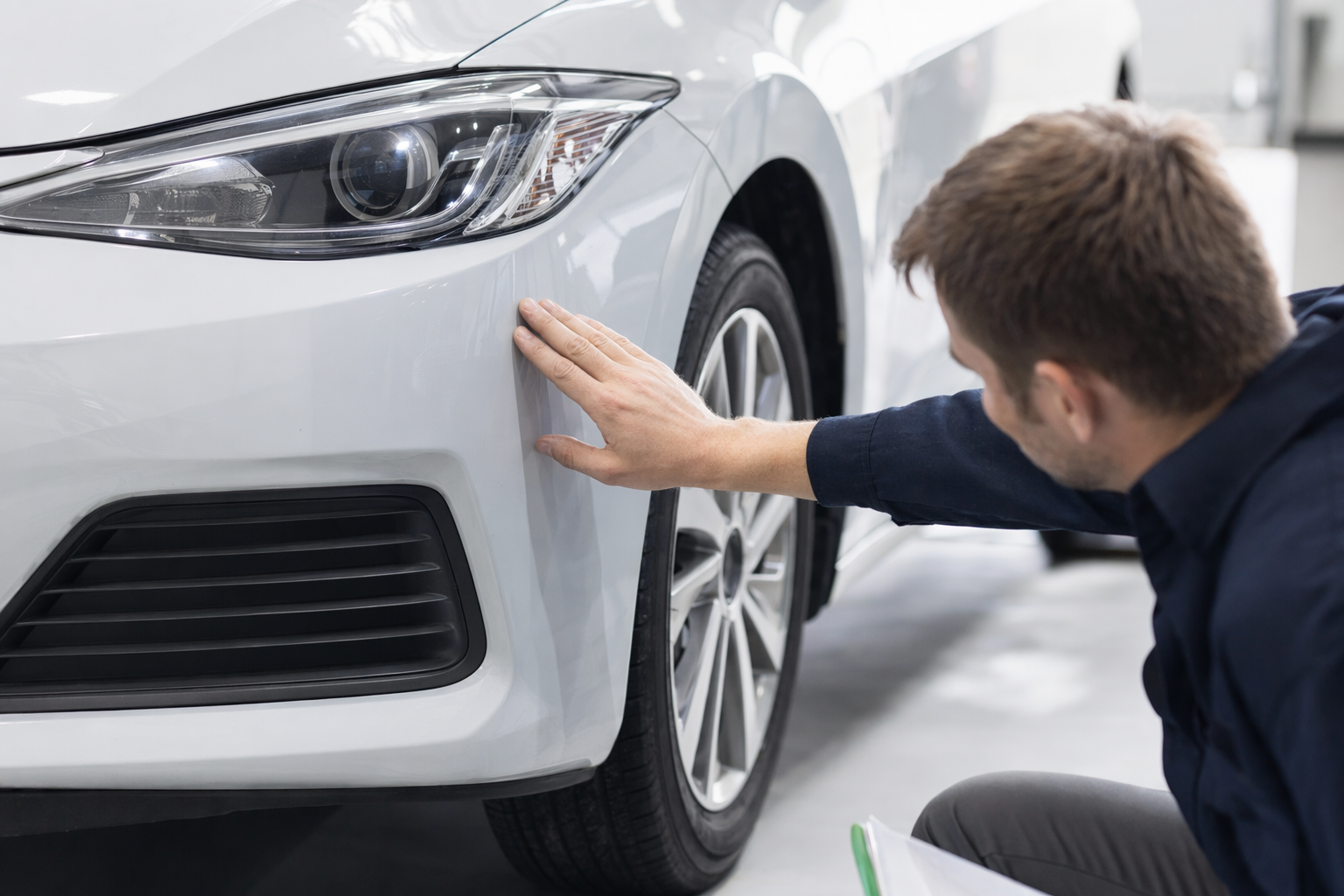
What collision coverage usually pays for
Collision coverage is generally for damage to your car caused by a crash. That can include hitting another vehicle, a guardrail, a fence, a pole, or even a single-car accident like sliding into a ditch.
If you are at fault or the driver who caused the crash cannot pay, collision is often the part of the policy that helps with repair or replacement costs, up to the policy limits and after any deductible.
A simple way to think about it: collision is about your car being damaged in a crash, not about what you hit.
What comprehensive coverage usually pays for
Comprehensive coverage is generally for damage to your car that is not from a collision. Common examples include theft, fire, hail, falling objects, vandalism, flood, glass damage from something other than a crash, or hitting an animal.
This coverage can matter even if you park carefully, because some losses happen when the car is parked or when the weather turns bad. Like collision, it usually has a deductible.
A simple way to think about it: comprehensive is about many other kinds of damage besides a crash.

The easiest way to tell them apart
If the damage happened because your car hit something or got hit in a crash, that is usually collision. If the damage happened from theft, weather, animals, fire, vandalism, or something else outside a crash, that is usually comprehensive.
That is why people sometimes say collision is for accidents and comprehensive is for everything else. That shortcut is not perfect, but it works for many everyday situations.
For a fuller overview of common coverages, see coverage basics.
Do you need one, both, or neither?
Whether to add collision, comprehensive, both, or neither depends on the car, the loan or lease terms, your budget, and how much risk you want to take on. Lenders and leasing companies often require both, but that is a contract issue, not a rule for every driver.
Older cars may not need the same kind of protection as newer or more valuable cars. On the other hand, even an older car can be expensive to replace if you still rely on it every day.
The important thing is not to assume the cheapest option is the best one. A lower premium can come with higher out-of-pocket risk if your car is damaged.
How deductibles and limits affect the real cost
With both coverages, the deductible is the amount you pay first when you file a claim. A higher deductible often means a lower premium, but it also means more out-of-pocket cost if something happens.
The policy limit is another key detail. For car damage coverages, the insurer usually pays only up to the car’s value or the policy terms, not an unlimited amount.
When comparing policies, look at the deductible, the type of loss covered, and any exclusions. A policy that looks similar at first can work very differently once you read the details.
How to compare policies without getting confused
The best way to compare is to line up the same coverage type, deductible, and limits on each policy. If one quote has collision and another does not, they are not the same product even if the price looks close.
It also helps to ask what happens in common real-life situations: a parking lot hit-and-run, hail damage, theft, a deer strike, or a single-car crash. Those examples make the difference easier to see.
If you want help finding a licensed insurance agent or broker who can explain options in plain English, CoverPair can get you matched. If you are already comparing quotes, this guide on how to compare car insurance quotes may help you spot the differences.
Collision usually covers crash damage to your car, while comprehensive usually covers theft, weather, animals, fire, and other non-crash damage.