Car insurance for multi-car households & families
Multi-car and family car insurance can be simpler when you understand how one policy may cover more than one driver and vehicle. CoverPair helps you learn the basics and connect with a licensed insurance agent or broker.
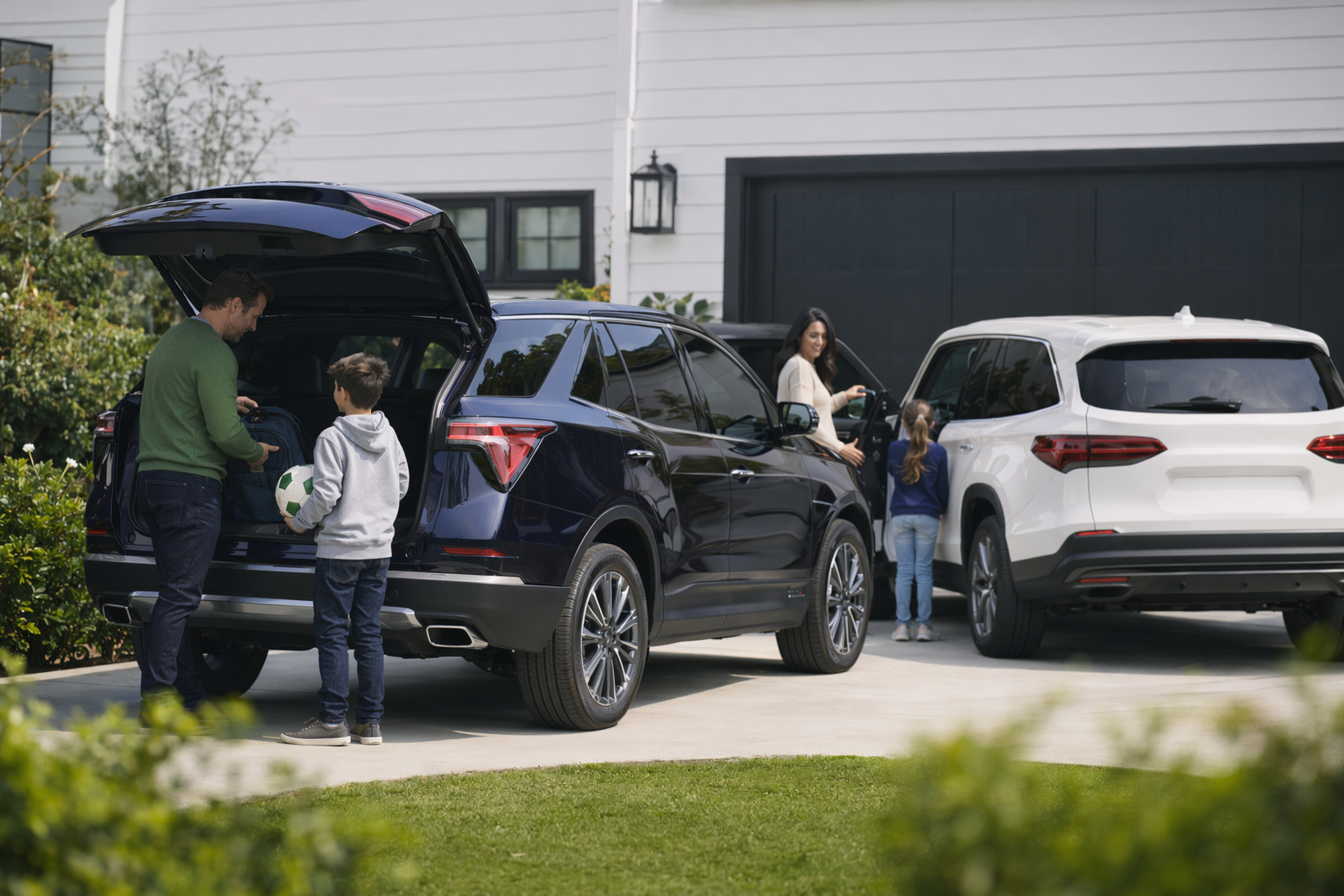
What multi-car family coverage usually means
In many households, one insurance policy can cover more than one car and more than one driver. People often use it when parents, partners, teens, or roommates share vehicles, but the exact setup depends on the state and the insurer.
A family policy may include one or several vehicles, listed drivers, and different coverages for each car. It can also change how the policy is priced, so it helps to understand what is actually included before you buy or add someone.
If you want a simple starting point, our coverage guide explains the common parts of a car insurance policy in plain English.
Who this page is for
This page is for drivers who share a household or vehicles and want to understand their options. It can be helpful if you are a parent adding a teen driver, a couple insuring two cars, or a family with a new driver, an international license, or a complex driving history.
It may also help if you are trying to figure out when to list a driver, when to list a vehicle, and how bundling or multi-car policies are talked about by licensed agents. The rules are not the same everywhere, so the best fit depends on your state and your situation.
If you are still learning the basics, our driver guides can help you understand common insurance terms before you talk to anyone.

What it can cover
A family or multi-car policy usually follows the same basic insurance structure as any other auto policy. That may include liability coverage, collision, comprehensive, and other options depending on what the insurer offers and what your state requires.
It may also include more than one driver, more than one car, and sometimes different coverages or limits for each vehicle. That does not mean every driver is covered in every situation, so it is important to read the policy details carefully.
The cheapest option is not always the right one. Many households need more than the bare state minimum, especially if there are teens, newer cars, loans, leases, or everyday commuting.
What it does not do
CoverPair is not an insurance company, agency, or broker. We do not give quotes, set rates, bind coverage, or decide what policy you should buy.
We also do not provide insurance, financial, tax, or legal advice. We share general information only, then help you get matched with a licensed insurance agent or broker who can explain current options in your state.
Please do not share a Social Security number, driver’s license number, or policy number on this site. For matching, we only need basic contact and situation details.
How to compare before you talk to an agent
Before you speak with a licensed agent or broker, it helps to make a simple list of your household. Include how many cars you have, who drives them, whether any drivers are new, and whether any cars are leased, financed, or used for work.
Then compare more than price. Ask what each policy includes, what limits apply, who is listed as a driver, and whether the household would still be protected in common situations. A lower price can sometimes mean less coverage or more out-of-pocket cost later.
Our quote comparison guide explains what to look for so you are not paying for coverage you do not need, and also not leaving important gaps.
How CoverPair helps
CoverPair is a free matching service. We help you find a licensed insurance agent or broker who works with drivers like you, including multi-car households and families.
You tell us a little about your situation, and we connect you with someone who can discuss options and answer questions. Participating licensed agents pay a flat marketing or matching fee, and the service is free for you.
If you want to start, get matched.
If your family shares cars, learn the basics first, then compare policy details and connect with a licensed agent or broker through CoverPair.