Collision coverage, explained
Collision coverage can help pay to repair or replace your car after a crash, even if you were at fault. It is optional in many states, and the right choice depends on your car, budget, and loan or lease terms.
What collision coverage is
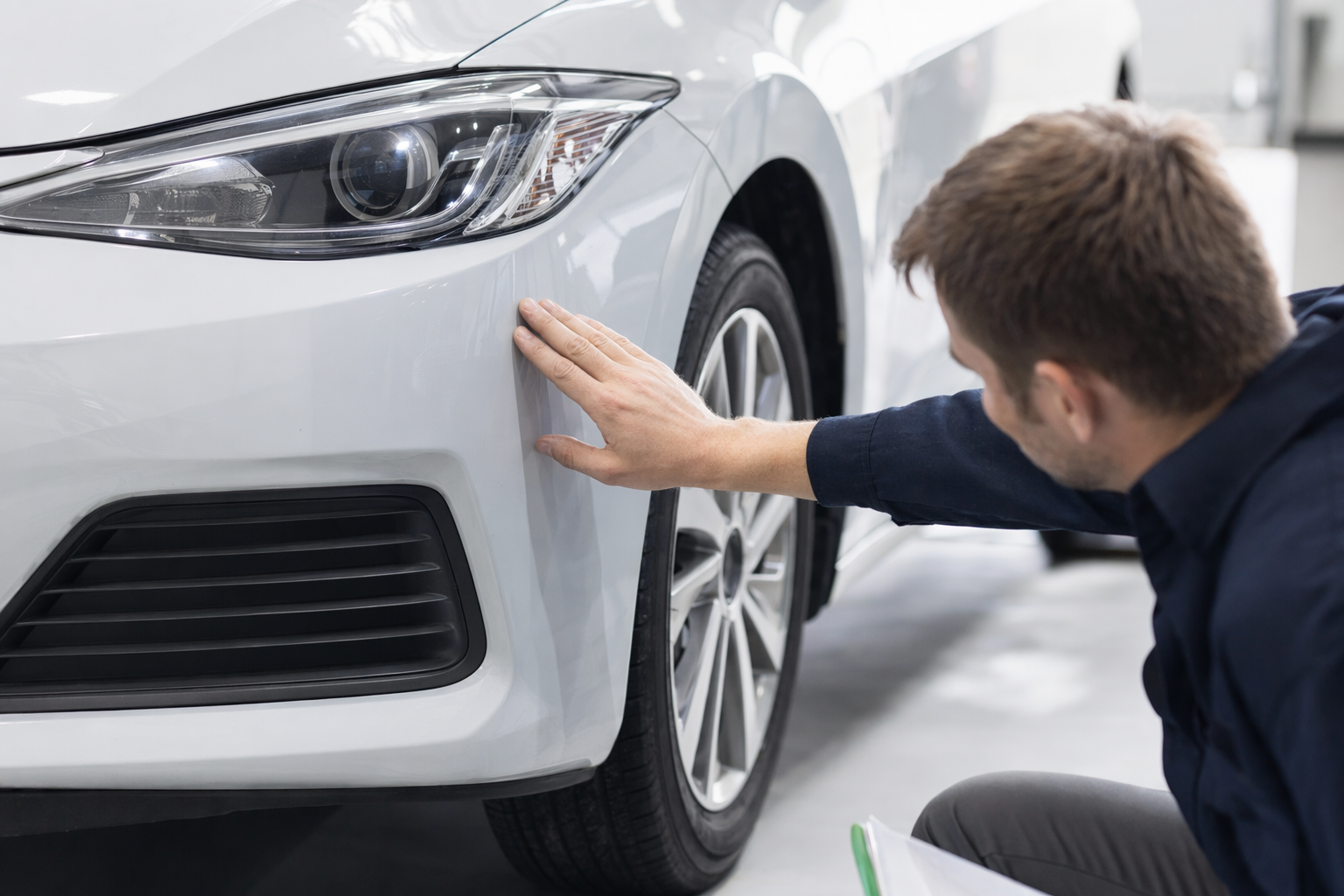
Collision coverage is a type of car insurance that helps pay for damage to your own car after a crash with another vehicle or an object. That can include a fender-bender, hitting a guardrail, or backing into a pole.
It is different from liability coverage, which is usually meant for damage you cause to other people and their property. Collision coverage focuses on your car, not the other driver’s car.
Coverage details vary by state and insurer, so it is worth reading the policy carefully. If you want help understanding common policy terms, see how to read a car insurance policy.
What it usually covers
In general, collision coverage may help pay for repair costs after a covered crash. If the car is damaged beyond repair, it may help pay the actual cash value of the car, minus your deductible.
A deductible is the amount you pay first before the policy may pay the rest. For example, a higher deductible often means you pay more out of pocket after a crash, while a lower deductible usually means you pay less at the time of loss.
The exact rules can differ by insurer. Some claims may involve repair estimates, photos, and an inspection before a payment is made.

What collision coverage does not do
Collision coverage is not the same as comprehensive coverage. Comprehensive usually applies to non-crash events like theft, vandalism, hail, fire, falling objects, or hitting an animal.
Collision coverage also does not pay for your injuries, and it does not replace liability coverage. It is not a complete policy by itself.
It also does not guarantee a repair or payout. Whether a claim is covered depends on the policy language, the facts of the accident, and the insurer’s claim review.
Who may want to carry it
Drivers with newer cars often consider collision coverage because repair costs can be high. It can also matter if you still owe money on a car loan or lease, since lenders and leasing companies often require certain coverage.
People with older cars may decide differently. If a car has a low value, paying for collision coverage may not make sense for every driver, especially if the deductible is close to the car’s value.
There is no one right answer. The best choice depends on how much risk you can handle yourself, how much the car is worth, and what your lender or lease agreement requires.
How to compare before you talk to a licensed agent
Before you compare options, look at your car’s value, your deductible, and how much you could comfortably pay after a crash. It also helps to think about how often you drive, where you park, and whether your car is financed.
When you are ready, we can connect you with a licensed insurance agent or broker who can explain options and help you compare policies. CoverPair is a free matching service, not an insurer or broker, and we do not give quotes or set rates.
If you want to prepare, review what affects your car insurance premium and bring basic details about your car and driving situation. Please do not share your Social Security number, driver’s license number, or policy number on this site.
A simple way to think about it
Collision coverage is about protecting your own car after a crash. It can be useful, but it is not required everywhere and it is not always the cheapest policy choice.
The goal is to balance monthly cost with the cost of repairing or replacing the car if something goes wrong. A licensed agent or broker can help explain the tradeoffs, and you can decide what fits your situation.
Collision coverage can help pay for damage to your own car after a crash, but whether it is worth it depends on your car, deductible, and budget.