What is rental reimbursement coverage?
Rental reimbursement coverage can help pay for a temporary car if your covered vehicle is in the shop after a covered claim. It is optional in many policies, and the limits and rules can vary by insurer and state.
What rental reimbursement coverage means
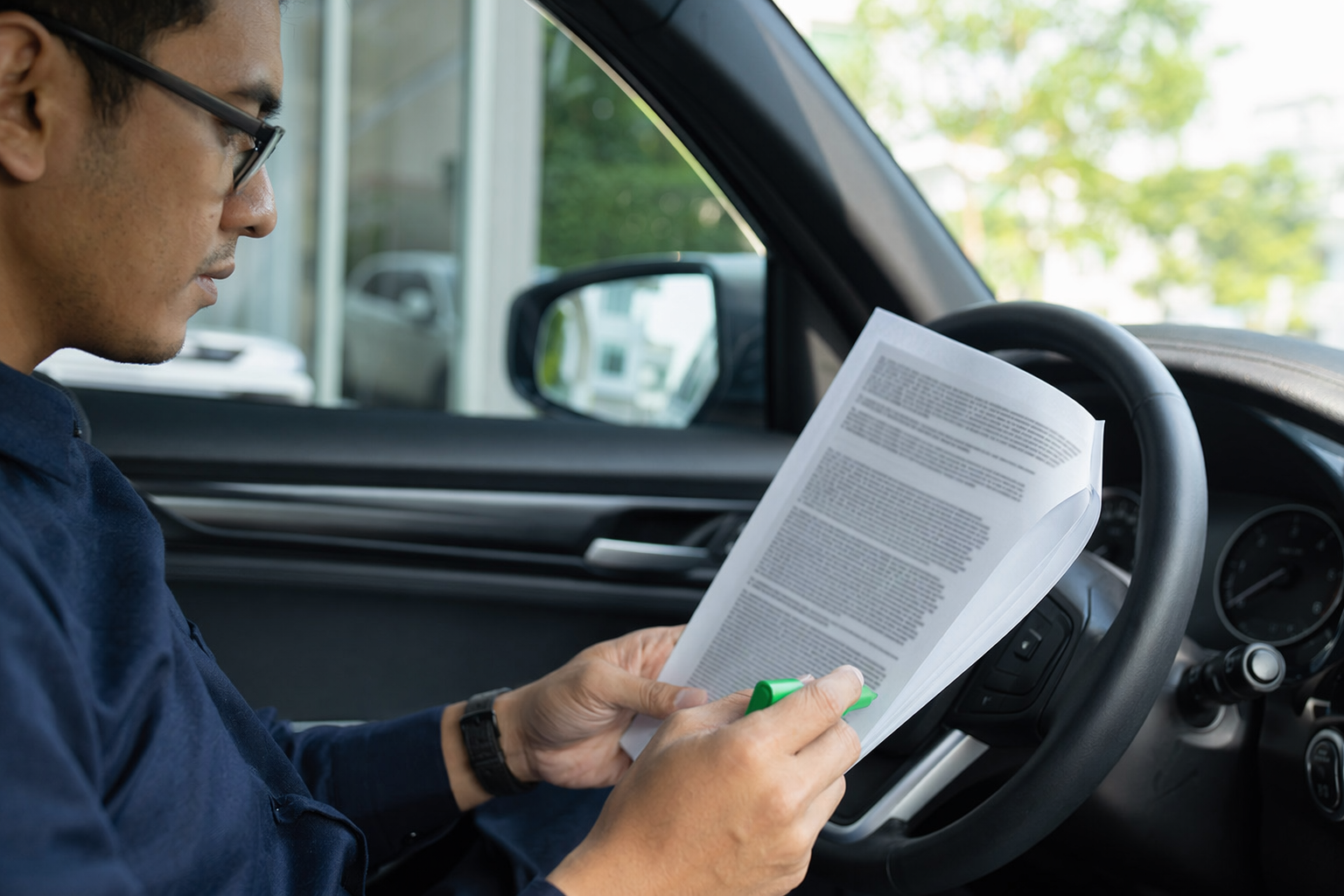
Rental reimbursement coverage is an optional auto insurance add-on. It may help pay for a rental car, rideshare, taxi, or other temporary transportation while your car is being repaired after a covered claim.
A simple way to think about it: this coverage helps with transportation costs after certain accidents or losses. It does not pay to fix your car. It does not replace liability, collision, or comprehensive coverage.
Whether it applies depends on your policy and the reason your car is out of service. Coverage names, dollar limits, waiting periods, and rules can vary by state and by insurer.
When it usually applies — and when it usually does not
In many cases, rental reimbursement works only if your car is unusable because of a covered claim. That often means damage covered under collision or comprehensive, such as a crash, theft, vandalism, fire, hail, or certain weather losses, depending on the policy.
It usually does not apply for routine maintenance, mechanical breakdowns, worn-out parts, recalls, or time in the shop for work not tied to a covered claim. If your engine fails on its own, this coverage often will not help.
It also may not apply if you simply prefer not to drive your car, or if the repair delay is unrelated to a covered loss. Some policies start coverage only after the insurer approves the claim, and some stop paying once repairs are complete or the car is declared a total loss.

What it can pay for
Many policies list rental reimbursement with a daily limit and a total limit. For example, a policy might pay up to a set amount per day, up to a maximum number of days or a maximum total amount. If the rental costs more than your policy limit, you usually pay the difference.
Some policies may also cover other temporary transportation costs instead of a rental car, but not all do. The details matter. A policy may limit the type of vehicle, require a standard rental car, or exclude optional rental company charges.
This is one reason it helps to review coverage basics carefully. Two policies can both say they include rental reimbursement, but the real value can be very different.
What rental reimbursement does not cover
This coverage usually does not pay for fuel, security deposits, traffic tickets, tolls, late fees, cleaning fees, or damage you cause to the rental car. It also may not pay for upgrades, luxury vehicles, larger SUVs, or special equipment unless your policy says so.
It usually does not cover a rental just because another driver caused the crash. In that situation, payment may depend on your own policy first, the other driver's insurance later, or both. Timing can be different, and delays can happen.
It also is not the same as roadside assistance, towing, or trip interruption. Those are separate coverages with different purposes.
Who may want to consider it
Rental reimbursement can be worth a close look if you rely on your car every day for work, school, family care, or medical appointments. Even a few days without a car can be expensive and stressful.
It may also matter more if your household has only one vehicle, if public transportation is limited where you live, or if repair parts in your area are often delayed. On the other hand, if you have a second car available or can manage without driving for a while, this coverage may feel less important.
The right choice depends on your budget, how much transportation risk you can handle yourself, and what is already included in your policy. CoverPair can help you get matched with a licensed insurance agent or broker who can explain options for your situation. Please do not share your Social Security number, driver's license number, or policy numbers on this site to get matched.
How to compare it and common mistakes to avoid
When you compare policies, do not stop at seeing whether rental reimbursement is included. Ask what triggers coverage, the daily and total limits, how many days are covered, when coverage starts, what kind of rental is allowed, and whether rideshare or public transit can count. Comparing details is one of the best ways to avoid overpaying for coverage that may not fit your needs.
A common mistake is assuming rental reimbursement automatically comes with every policy. Another is focusing only on the cheapest option without checking limits that may be too low for local rental prices. It is also easy to confuse this coverage with roadside assistance or with the other driver's insurance.
One more mistake: choosing the state minimum liability limits and thinking that means you are fully protected. The minimum required coverage is often not enough, and optional coverages should be reviewed as part of the whole policy. If you want help understanding the tradeoffs, read how to compare car insurance quotes or get matched with a licensed insurance agent or broker for quote and policy details.
Rental reimbursement coverage may help with temporary transportation after a covered claim, but the limits, timing, and exclusions matter a lot.