How to add a new car to your policy
Buying a second car, replacing an old one, or adding a teen driver can change your policy fast. Here’s a plain-English guide to how adding a new car usually works, what to have ready, and how to compare options.
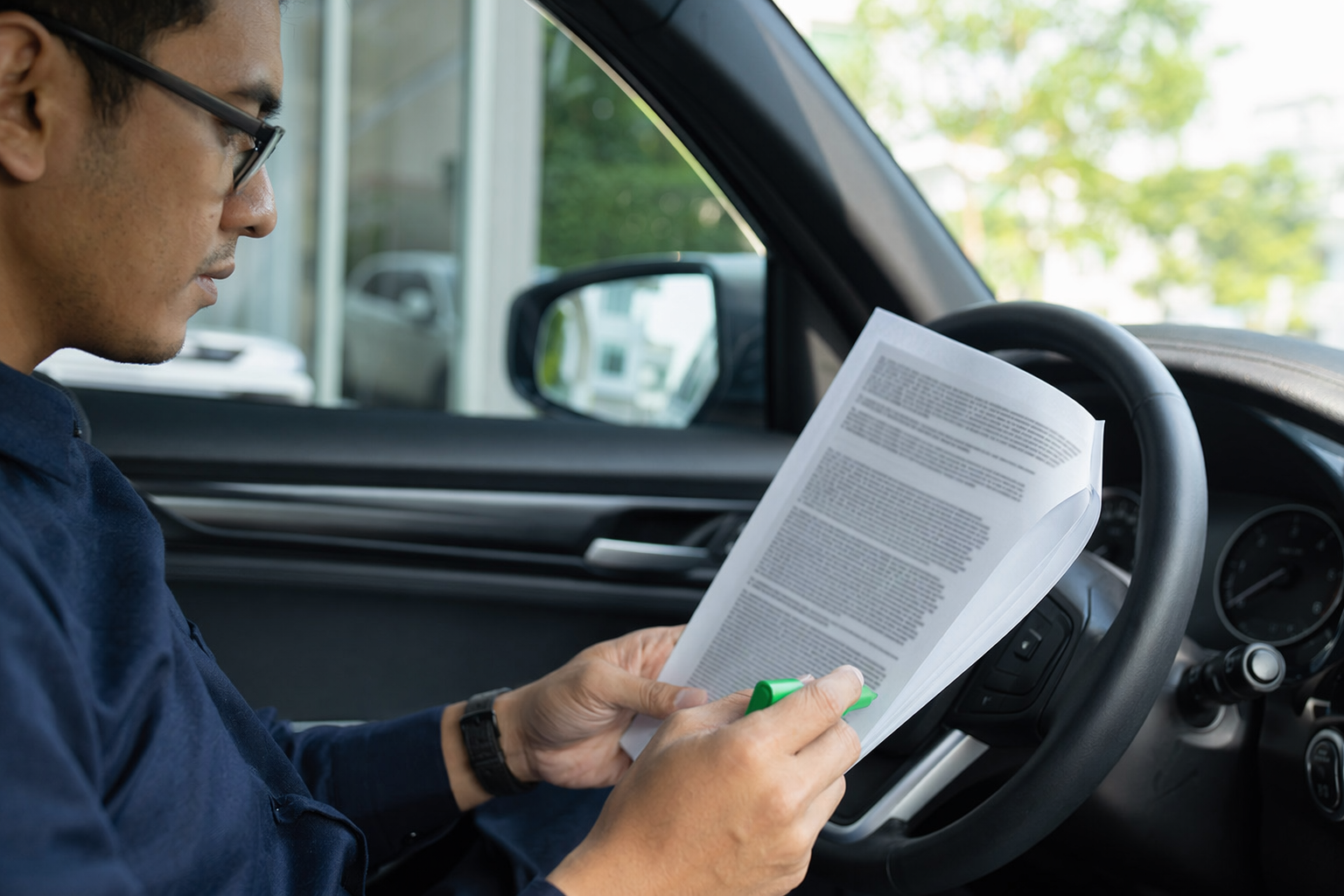
What it means to add a new car
Adding a new car to a policy usually means you tell the insurance company about the vehicle and ask them to update your coverage. In many cases, the insurer will want the year, make, model, VIN, where the car is parked, and how you plan to use it.
The new car may be added to your current policy, or the insurer may suggest a different setup if the car is financed, leased, older, or used in a special way. Coverage names and rules vary by state and by insurer.
If you are shopping around, CoverPair can connect you with a licensed insurance agent or broker who can explain options in plain language. We are a free matching service, not an insurer or broker.
When you should update your policy
It is usually smart to update your policy as soon as you buy, lease, or take possession of the car. Do not wait too long. If the car is in your driveway and not on the policy, you could have a gap in coverage if something happens.
If you are replacing one car with another, the old car may need to be removed or changed on the policy too. If you keep the old car, the insurer may need to know whether both cars are staying covered.
If a family member will drive the new car, that can also affect the policy. Young drivers, new drivers, and drivers with limited U.S. history can change how an insurer views the risk.

Information you will usually need
Most insurers will ask for basic vehicle details and some household driver information. Have the paperwork handy so the update goes more smoothly.
You will often need:
- Vehicle year, make, model, and VIN
- Purchase, lease, or transfer date
- Odometer mileage, if asked
- Lienholder or lease company, if there is one
- Where the car is kept overnight
- Main drivers for the car
- Current coverage on any trade-in or replacement vehicle
Do not share your Social Security number, driver’s license number, or policy number on this site when asking to get matched. For privacy, only share contact and situation details here.
What coverage might change
A new car can change more than the vehicle name on the policy. The insurer may review liability, collision, comprehensive, uninsured/underinsured motorist coverage, medical payments or personal injury protection, depending on your state.
If the car is financed or leased, the lender or leasing company may require certain coverages. If the car is older and paid off, you may still want to think carefully about collision and comprehensive, but the right choice depends on the car’s value, your budget, and your comfort with risk.
The cheapest policy is not always the best fit. State minimum coverage may not be enough after a serious crash, and minimum rules vary by state.
How the update usually happens
In many cases, the steps are simple: you tell the insurer about the car, they review the details, and they update the policy effective date. Some changes can happen the same day, while others may take more time if the vehicle is financed, leased, or needs extra review.
If you are adding the car through a licensed agent or broker, they can help compare options from participating insurers and explain what the coverage terms mean. CoverPair can help you get matched with a licensed professional who works with your situation.
If you already have a policy, ask how the new car changes your coverage before you drive it regularly. That can help you avoid surprises later.
How to compare before you add the car
Before you decide, compare more than the monthly price. Look at the coverage limits, deductibles, exclusions, and any required add-ons. A lower price can come with less protection, so it helps to read the details carefully.
A good comparison should include:
- What is covered and what is not
- Deductible amounts for collision and comprehensive
- Any lender or lease requirements
- Whether the policy fits your driving situation
- How the premium changes if you add the new car now versus later
If you want a simple checklist, see how to compare car insurance quotes and general coverage basics at Coverage 101.
Common mistakes to avoid
One common mistake is waiting until after an accident or ticket to update the policy. Another is assuming the old coverage automatically fits the new car, even when the vehicle value or use is very different.
People also sometimes focus only on price and miss important details like deductibles, rental car coverage, or lender requirements. And if you are new to the U.S. or have a foreign license, do not assume every insurer will treat your driving history the same way.
The safest move is to compare a few options, ask questions, and make sure the policy matches the car and your real driving needs.
Add the car as soon as you get it, compare coverage details and price, and avoid assuming your old policy fits the new vehicle automatically.