Uninsured & underinsured motorist coverage
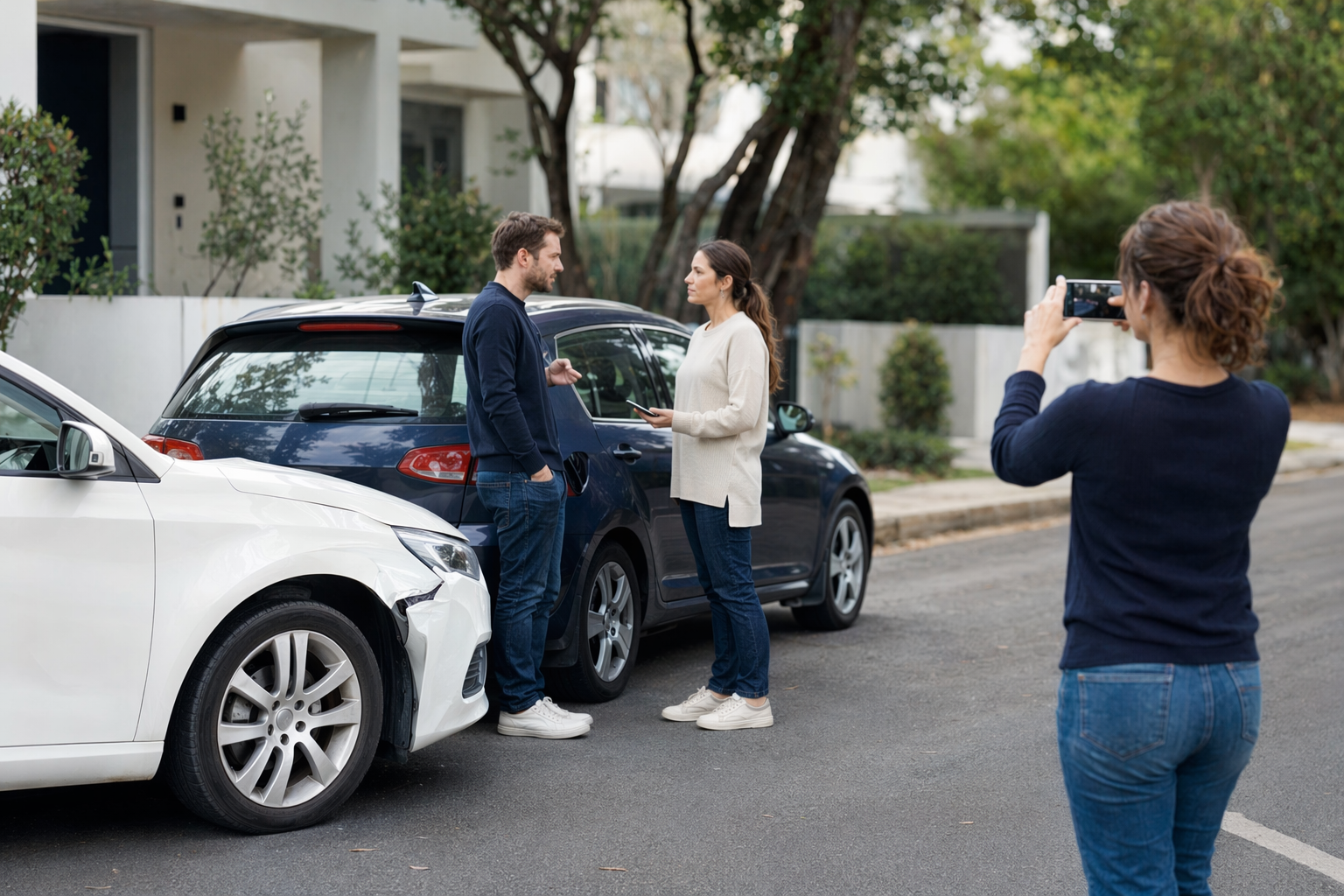
Uninsured and underinsured motorist coverage can help when the other driver has no insurance, or not enough to cover a crash. It is not the same everywhere, so a licensed agent can help you compare what it means in your state.
What this coverage is
Uninsured motorist coverage is meant to help if you are hit by a driver who has no liability insurance. Underinsured motorist coverage is for cases where the other driver has insurance, but their limits are too low to cover the damage or injuries.
In some states, these coverages are required. In others, they are optional or offered with different rules. The exact name, limits, and rules can vary by state and by insurer.
This page is general information only. CoverPair is not an insurance company, agency, or broker. We do not sell coverage, set prices, or tell you what to buy.
What it may cover
These coverages are often used for costs tied to an accident with an uninsured or underinsured driver. That may include medical bills, lost wages, pain and suffering in some situations, and damage to your car if your policy or state rules include that type of protection.
The details depend on your policy language and state rules. Some policies treat bodily injury and property damage separately. Some only cover injuries. Some include hit-and-run situations, while others do not.
If you want to understand the wording, how to read a car insurance policy can help you know what to look for before you speak with a licensed agent.

Who this is especially for
This coverage can matter for many drivers, but it is especially worth understanding if you drive in areas with a lot of uninsured drivers, if you commute often, or if you would have trouble paying accident costs yourself.
It can also be important for new drivers, young drivers, people with older cars, and families sharing more than one vehicle. Even if the other driver is at fault, that does not always mean their insurance is enough to cover everything.
A lower price is not always the best fit. The state minimum may be enough to meet a rule, but it may not be enough to protect you after a serious crash.
What it does not do
This coverage does not fix every loss. It does not cover your own damage from a crash you caused, and it does not replace all other parts of a policy such as collision, comprehensive, or medical coverage.
It also does not guarantee payment in every situation. Claims depend on the facts of the crash, the policy terms, and state law. If another driver has some insurance, the underinsured part may only apply after their coverage is used up.
CoverPair cannot give quotes, promise approval, or explain your exact policy as legal or insurance advice. We simply help you get matched with a licensed insurance agent or broker who can review your situation.
How to compare before you talk to an agent
Before you connect with a licensed agent, it helps to know a few basics: your state, your driving history in general terms, how many cars and drivers are in your household, and what kind of protection you want to understand.
Compare more than the price. Ask how the limits work, whether bodily injury and property damage are included, whether hit-and-run is treated as uninsured motorist coverage, and how the policy handles stacking or exclusions if your state allows those terms.
For a broader view of pricing, what affects your car insurance premium explains why drivers with similar cars can still see different offers. CoverPair is free for the reader, and we match you with participating licensed agents or brokers who pay a flat marketing/matching fee.
How CoverPair helps
If you are trying to understand uninsured and underinsured motorist coverage, CoverPair can help you find a licensed professional who works with drivers like you. We are especially useful for people who are new to the US, non-native English speakers, foreign-license holders, and drivers who want clear help before they buy a policy.
We do not ask for Social Security numbers, driver’s license numbers, or policy numbers on this site. Please do not share those to get matched.
If you are ready to compare options, get matched and a licensed agent or broker can explain the choices available in your state.
This coverage can help if the other driver has no insurance or not enough, but the details vary by state, so it is smart to compare the policy terms with a licensed agent.